

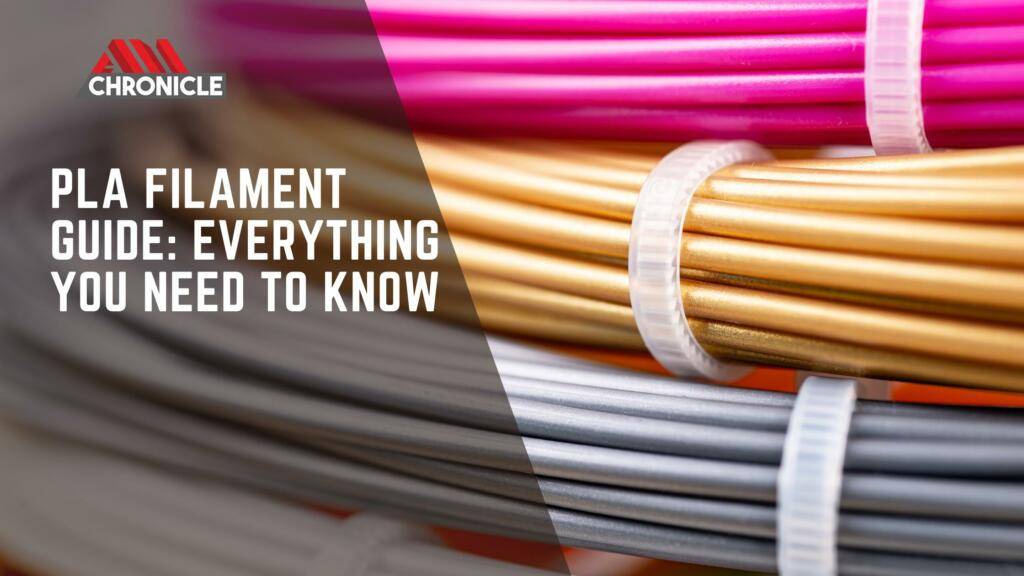
Polylactic Acid (PLA) is one of the most widely used filaments in the world of 3D printing, especially among beginners and hobbyists. It is praised for its ease of use, relatively low cost, and eco-friendliness, making it a go-to choice for many. It is derived from renewable resources like corn starch or sugarcane, giving it a biodegradable edge over many other plastics. In this comprehensive guide, we will explore the properties of its filament, its advantages, printing tips, and best use cases, ensuring you have a complete understanding before starting your next project.
Table of Contents
What is PLA Filament?
PLA (Poly Lactic Acid) filament is a type of thermoplastic that becomes malleable when heated and hardens when cooled, making it an ideal material for 3D printing. It is composed primarily of organic materials, including corn starch, cassava roots, or sugarcane, which makes it a biodegradable and more environmentally friendly alternative to petroleum-based plastics like ABS (Acrylonitrile Butadiene Styrene).
PLA is popular due to its relatively low melting point (around 180°C to 220°C), which makes it easy to work with using most FDM (Fused Deposition Modeling) 3D printers. Unlike other filaments, it doesn’t produce harmful fumes while printing, which is another reason it’s so popular for indoor use, especially in educational settings.
Advantages of PLA Filament
PLA offers numerous benefits, especially for those new to 3D printing. Some of the main advantages include:
Ease of Use: PLA is one of the easiest filaments to print with. It doesn’t require a heated bed, although it is helpful, and it sticks well to most printing surfaces like glass or blue painter’s tape. This reduces the risk of warping, a common issue with other filaments like ABS.
Eco-Friendly: PLA’s biodegradable nature, being derived from plant-based materials, is a significant plus for environmentally conscious makers. Although it requires industrial composting facilities for proper decomposition, it still stands out as a greener option compared to traditional petroleum-based plastics.
Low Warping and Shrinking: It has excellent dimensional stability, meaning it doesn’t contract or warp as much when cooling, ensuring your prints come out accurate and consistent.
Odorless Printing: Unlike ABS, which produces a strong, unpleasant smell during printing, it doesn’t emit any harsh odors. It is non-toxic, which makes it ideal for home and educational environments.
Wide Range of Colors and Finishes: PLA filaments come in various colors, including transparent and glow-in-the-dark versions. Manufacturers also produce different specialty blends, such as silk, wood, and metal-filled PLAs, expanding the aesthetic possibilities of 3D prints.
Limitations of PLA Filament
Despite its numerous advantages, PLA is not without limitations. Here are some potential drawbacks to consider before using it in your projects:
Lower Heat Resistance: It is less heat-resistant than other filaments. It can begin to soften and lose its shape at temperatures above 60°C, making it unsuitable for parts exposed to heat, such as car parts or kitchen tools.
Brittleness: It is more brittle than materials like ABS or PETG, meaning it is prone to cracking or breaking under stress or impact. This makes it less ideal for functional parts or mechanical applications.
UV Degradation: It may degrade over time if exposed to prolonged sunlight (UV radiation). This is something to consider if your print will be placed outdoors or in direct sunlight.
PLA Printing Guidelines
To achieve the best results, it’s essential to follow specific guidelines during the printing process. Below are some crucial factors to keep in mind:
Optimal Printing Temperature: Most filaments print best at temperatures between 180°C and 220°C, depending on the brand and specific blend. Start with the manufacturer’s recommended settings and adjust slightly if necessary based on the appearance of the print.
Bed Temperature: While a heated bed is not necessary, it can help improve adhesion and prevent warping, especially for larger prints. A bed temperature of around 50°C to 60°C usually works well for others.
Print Speed: It can be printed at moderate to high speeds (40-60mm/s), but lowering the speed for more intricate details or complex parts can result in cleaner, more precise prints.
Cooling Fan: It benefits significantly from the use of a cooling fan during printing. By cooling the filament as it leaves the nozzle, you can achieve better surface finishes and improved bridging performance.
Bed Adhesion: For optimal adhesion, you can use blue painter’s tape, a glass bed, or even a PEI sheet. Some users also apply a thin layer of glue stick or hairspray to the print bed for additional adhesion.
PLA Variants
There are several variations of it available on the market, each designed for specific applications. Here are some of the most common types:
Silk : This variant has a shiny, reflective finish, which gives prints a glossy, smooth appearance. It is primarily used for aesthetic purposes, as it can create stunning visual effects.
Wood-Filled : This filament is blended with fine wood particles to give prints a realistic wood-like appearance and texture. It’s ideal for creating decorative items or models that mimic wooden surfaces.
Glow-in-the-Dark : As the name suggests, glow-in-the-dark filaments can absorb light and emit a glow in low-light conditions. This filament is fun for printing novelty items or custom projects requiring a luminous effect.
Metal-Filled : Metal-filled filaments contain small particles of metals like copper, brass, or bronze. While they offer a metallic finish, they retain the printability of it and can be polished to give prints a more authentic metal appearance.
Best Use Cases
Due to its ease of use and attractive surface finish, it is suitable for a wide range of 3D printing applications. Some of the best use cases include:
Prototypes and Models: It’s dimensional accuracy and easy post-processing make it ideal for rapid prototyping and visual models, particularly for product designs and architectural models.
Artistic Projects: Given the variety of colors and finishes available, is excellent for creating art pieces, sculptures, or decorative items.
Educational Models: It is widely used in classrooms and educational settings to produce models that help students visualize concepts in science, engineering, and biology.
Post-Processing
Once you’ve completed your print, you may want to improve its appearance or functionality through post-processing. Some methods include:
Sanding: It can be sanded down to achieve a smoother surface finish. Start with coarse-grit sandpaper (around 100-grit) and gradually work your way to finer grits (up to 1000-grit) for the best results.
Painting: PLA takes paint well, especially when first primed with a spray-on primer. Acrylic paints are generally recommended for painting PLA.
Glueing: PLA can be bonded with superglue (cyanoacrylate) or specific plastic adhesives. This is useful when assembling multi-part prints.
Conclusion
PLA filament is one of the most user-friendly and versatile materials available for 3D printing. Its eco-friendly nature, ease of use, and excellent print quality make it the ideal filament for beginners and those working on less demanding projects. While it may not be the best choice for high-heat or mechanical applications, it excels in producing detailed, aesthetically pleasing models and prototypes. Whether you’re a hobbyist, student, or artist, it is a fantastic option to explore the possibilities of 3D printing.
By understanding the properties, benefits, and best practices, you can ensure that your next print will be a success.